
You’re Entering Your Birdwatching Era: Birds of Narrandera Shire
Recent studies indicate that birdwatchers and birders are more motivated, intelligent, and significantly cooler than the general population. Source: Birdwatchers… probably.
Jokes aside, birdwatching has a funny way of sneaking up on people (often sometime in your early to mid-thirties). One day you’re simply strolling by the river, the next you’re asking: “is that a… yellow crested warbler?”. Before you know it, you’re noticing birds everywhere.
Luckily, Narrandera Shire is a very good place to lean into the hobby. With the Murrumbidgee River weaving its way through the longest continuous stretch of river red gum forest in the world, beautiful wetlands, and open plains all within easy reach, the region supports an incredible diversity of birdlife.
We asked around and pulled together a list of some of our favourite species you might encounter while exploring. If you’re craving even more birding adventures, we recommend also downloading the Bird Trails of the Riverina and Southwest Slopes of NSW booklet. Published back in 2010, it may be a little dated but remains one of the most comprehensive pocket-sized guides to birdwatching in the region.
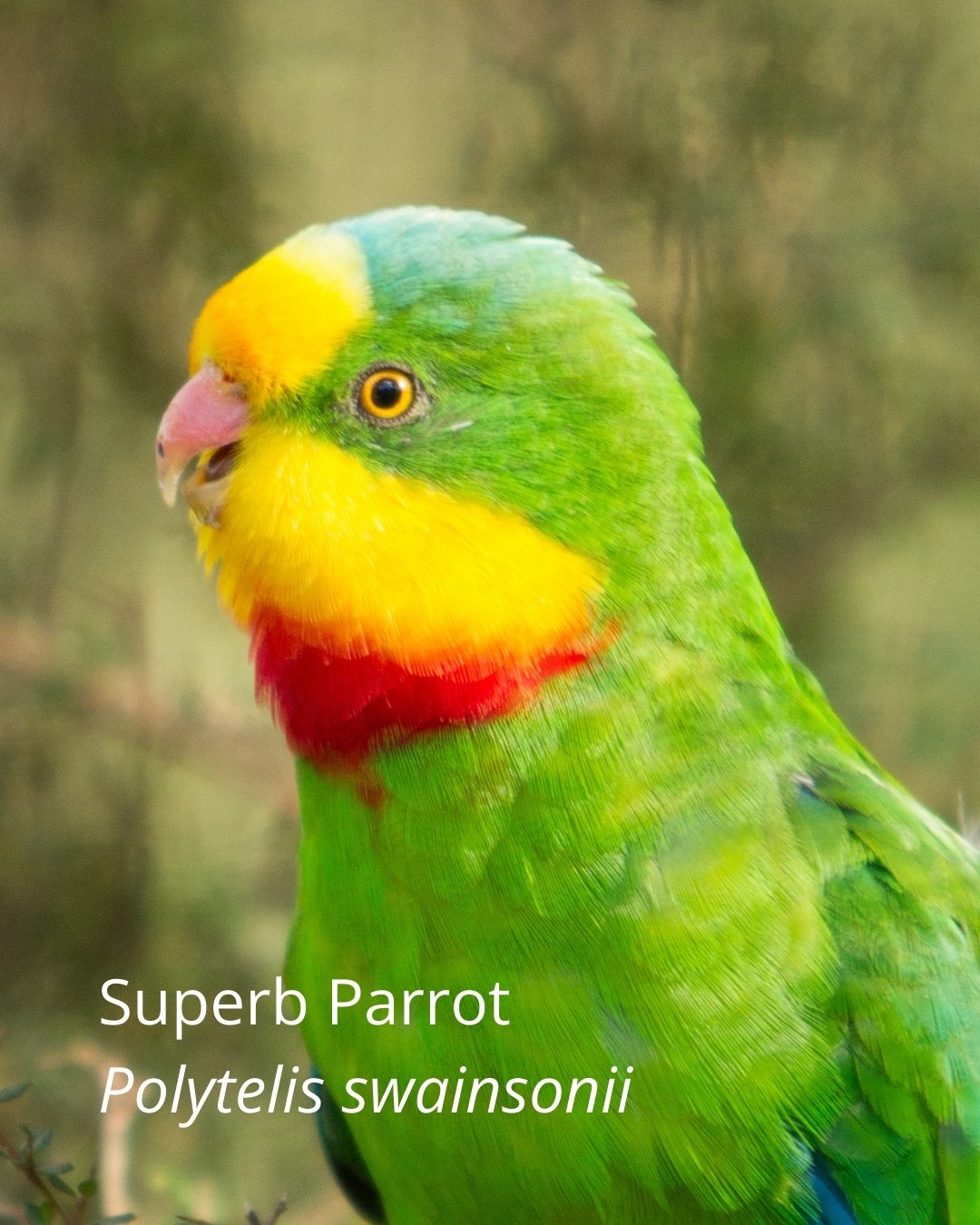
Superb Parrot Polytelis swainsonii
A vulnerable species with estimated to be less than 5000 breeding pairs left in the wild.
Features: Males have yellow foreheads and throats above a red crescent while females have a dull light blue wash in place of male markings.
Where to find me: We recommend heading down Barellan Road in the early morning. Please be mindful of other motorists, pull right off the road if stopping, and please be respectful of fencelines. There is birdlife aplenty on the drive to Barellan and the Golden Grain Cafe is a delicious breakfast stop when you arrive.
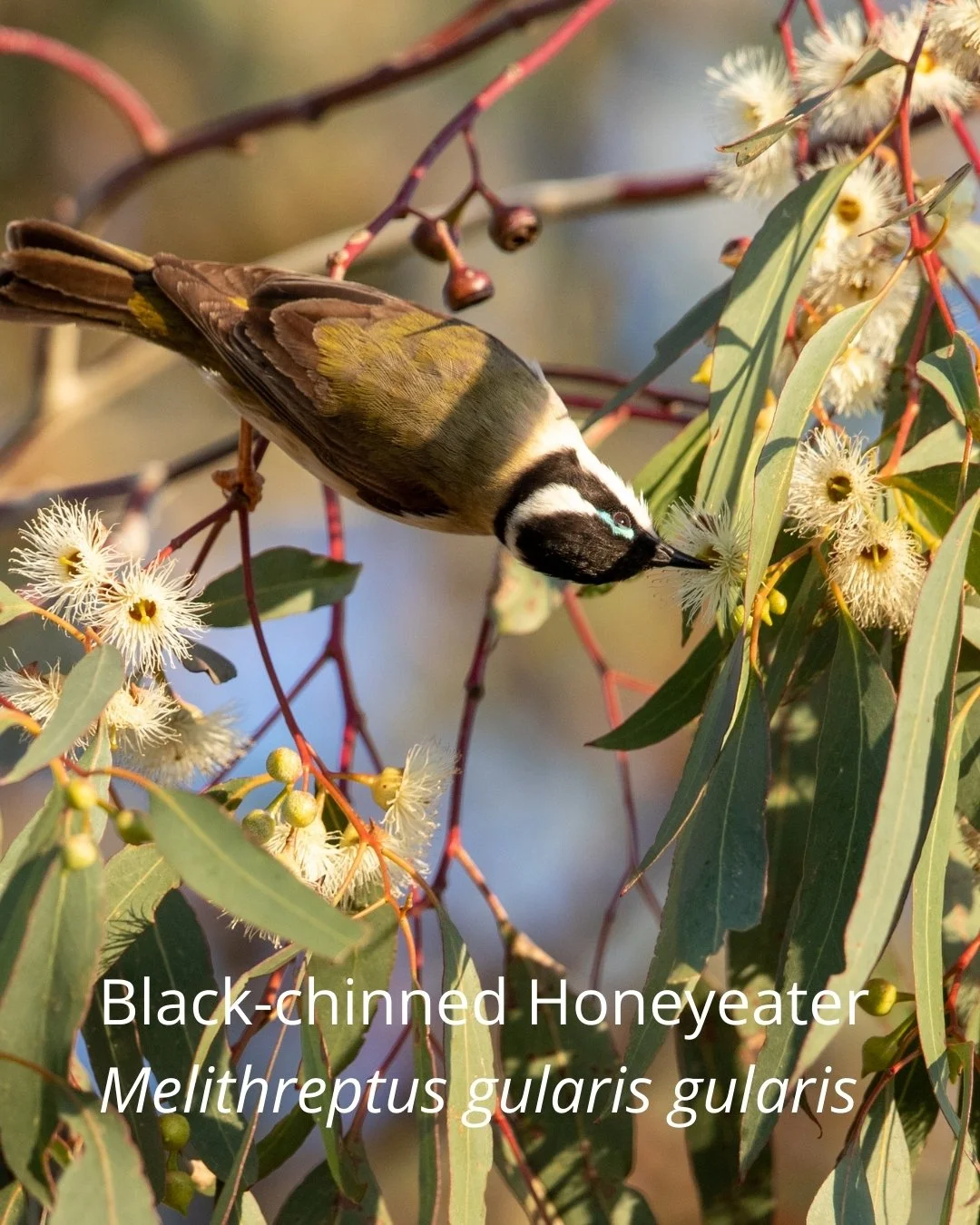
Black-chinned Honeyeater Melithreptus gularis gularis
Another vulnerable species, the Black-chinned Honeyeater is the largest of the Melithreptus honeyeaters, reaching 17cm in length
Features: Adults have olive green backs and wings with pale brown to off-white underneath. There is a black “chin” beneath short, black bills, extending to a white throat. A small blue crescent above the eye distinguishes them from the northern sub-species.
Where to find me: The Murrumbidgee Valley National Park and Binya State Forest (now part of the Cocoparra National Park). Their cousins, the Blue-faced Honeyeater are frequenters of a grevillea growing outside the Narrandera Destination and Discovery Hub in the early mornings and late-afternoons.
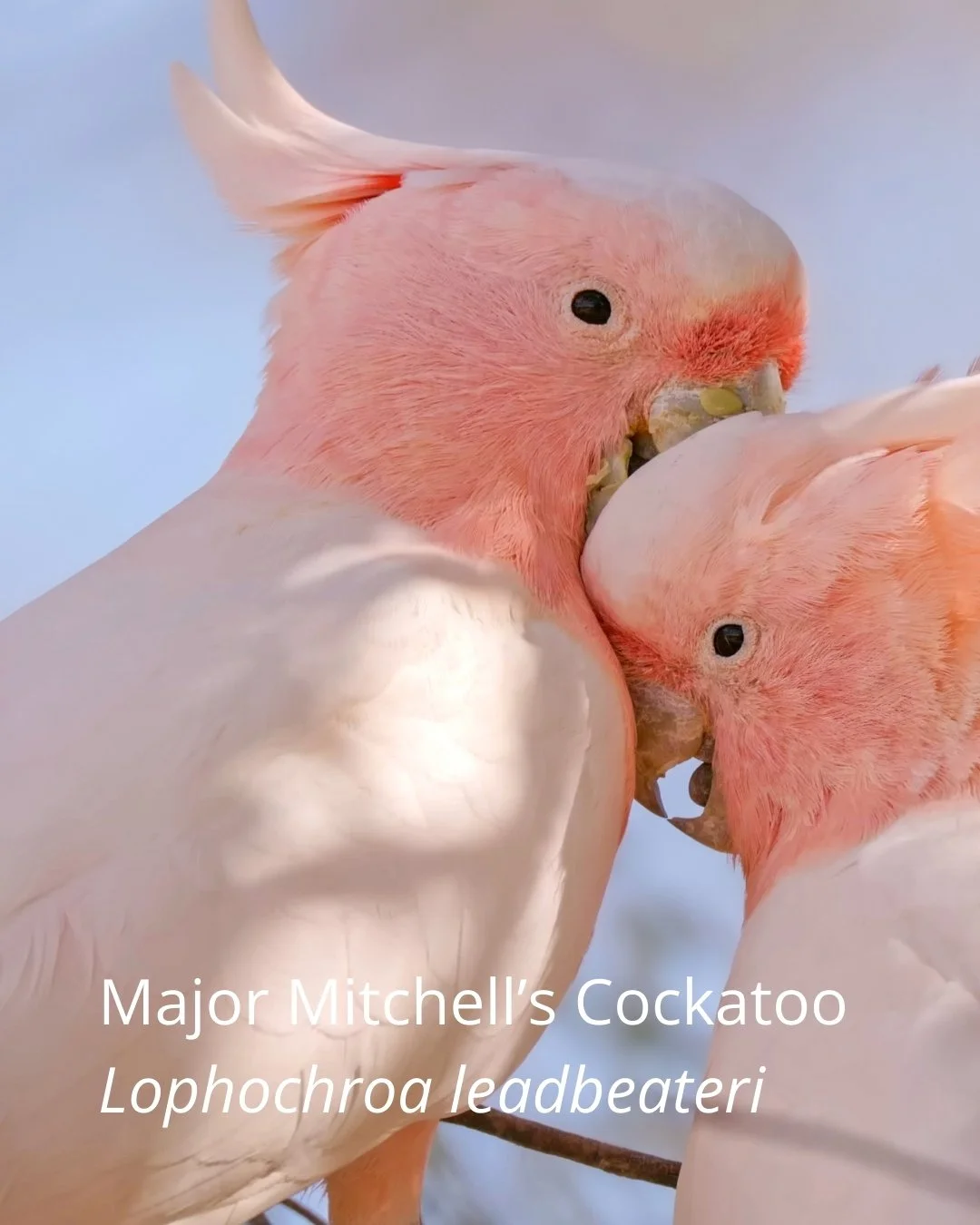
Major Mitchell’s Cockatoo Lophochroa leadbeateri
Also known as wijugla in Wiradjuri Language or the Pink Cockatoo, they’re listed as Endangered with population declining due to habitat loss, land clearing, and competition for nesting hollows.
Features: The Pink Cockatoo is the only Australian cockatoo that is salmon-pink below and white above. They’re larger than a Galah but smaller than the Sulphur-crested Cockatoo, both of which are also found in the region.
Where to find me: Feeding mostly on the ground, they inhabit a range of tree and treeless habitats, preferring to be near water. Recently, pairs have been seen down Colinroobie Road and Brobenah Hall Road. It’s worth a visit to Barellan to see a beautiful mural of the Pink Cockatoo.
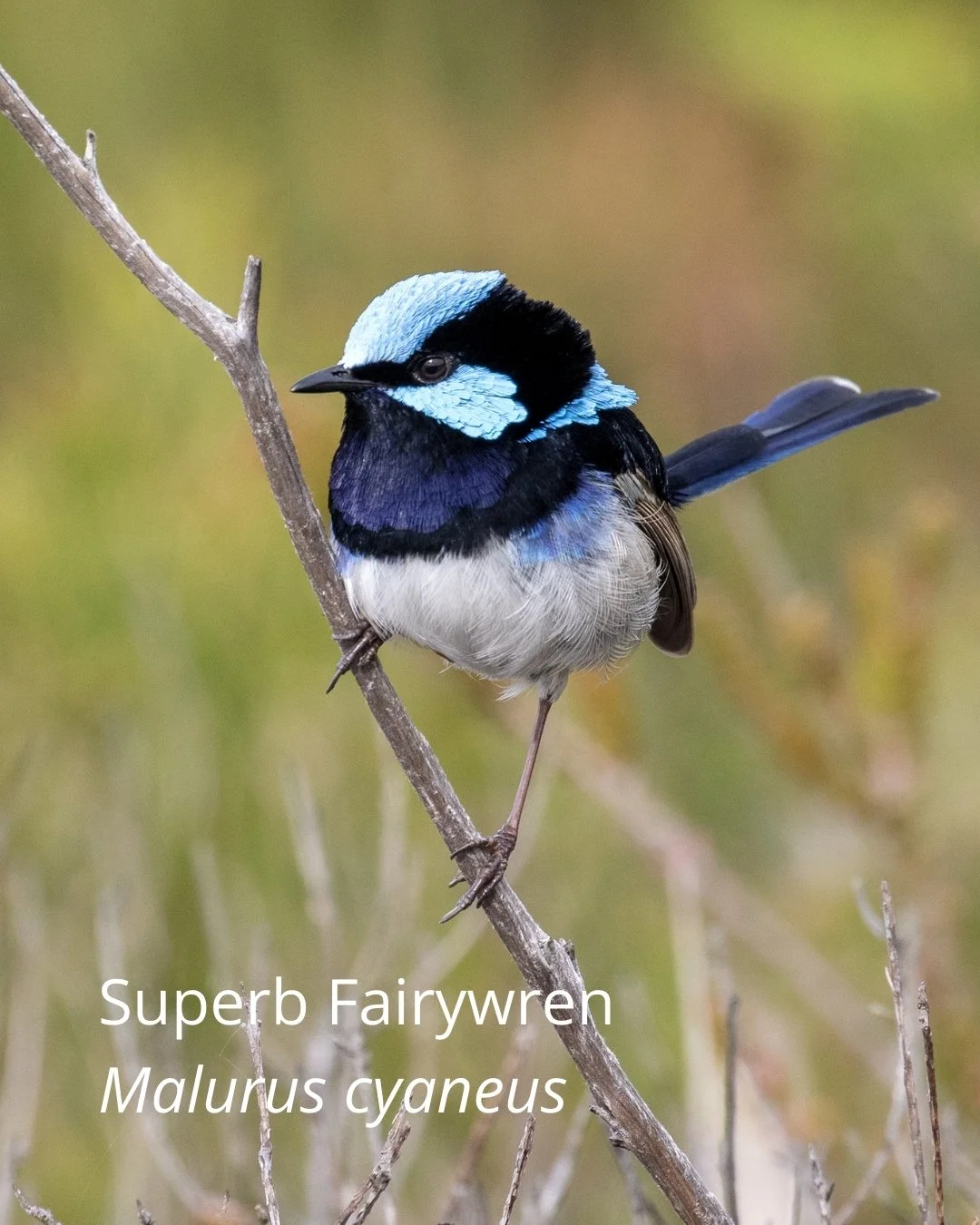
Superb Fairywrens Malurus cyaneus
Fairywrens are co-operative breeders with a single female, one dominant male and often several out-of-breeding males which assist in raising the young.
Features: Males don an unmistakable blue cap, ear tufts and cheeks, dark blue-black throat, black eye stripe and beak. Whereas their female counterparts are mostly brown with white breast and underbelly, orange-red beak and eye stripe.
Where to find me: You can keep an eye out for these swift little guys in open eucalypt forests, especially in the dense understorey. Our recommendation? Visit the Flora and Fauna Reserve and Murrumbidgee Valley National Park.
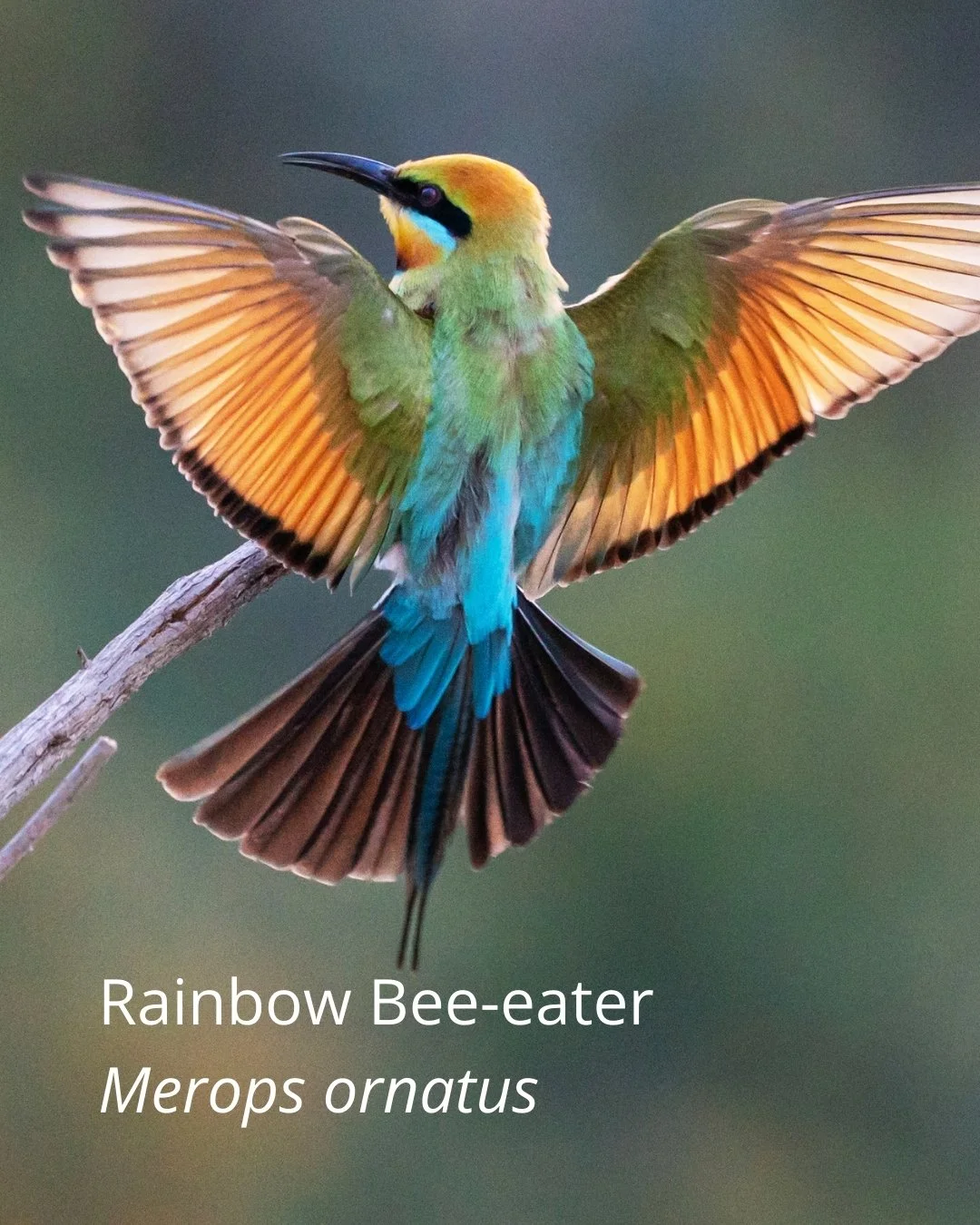
Rainbow Bee-eater Merops ornatus
A small, insect eating bird with spectacular plumage, the Rainbow Bee-eater nest in small tunnels in the soil and is the only species of bee-eater in Australia.
Features: Long central tail streamers, green and blue underparts, and coppery flight feathers coupled with a golden crown with black mask edged in blue.
Where to find me: Mostly found in open forests and cleared areas near water, you’ll likely find them in the Gillenbah State Forest and Murrumbidgee Valley National Park.
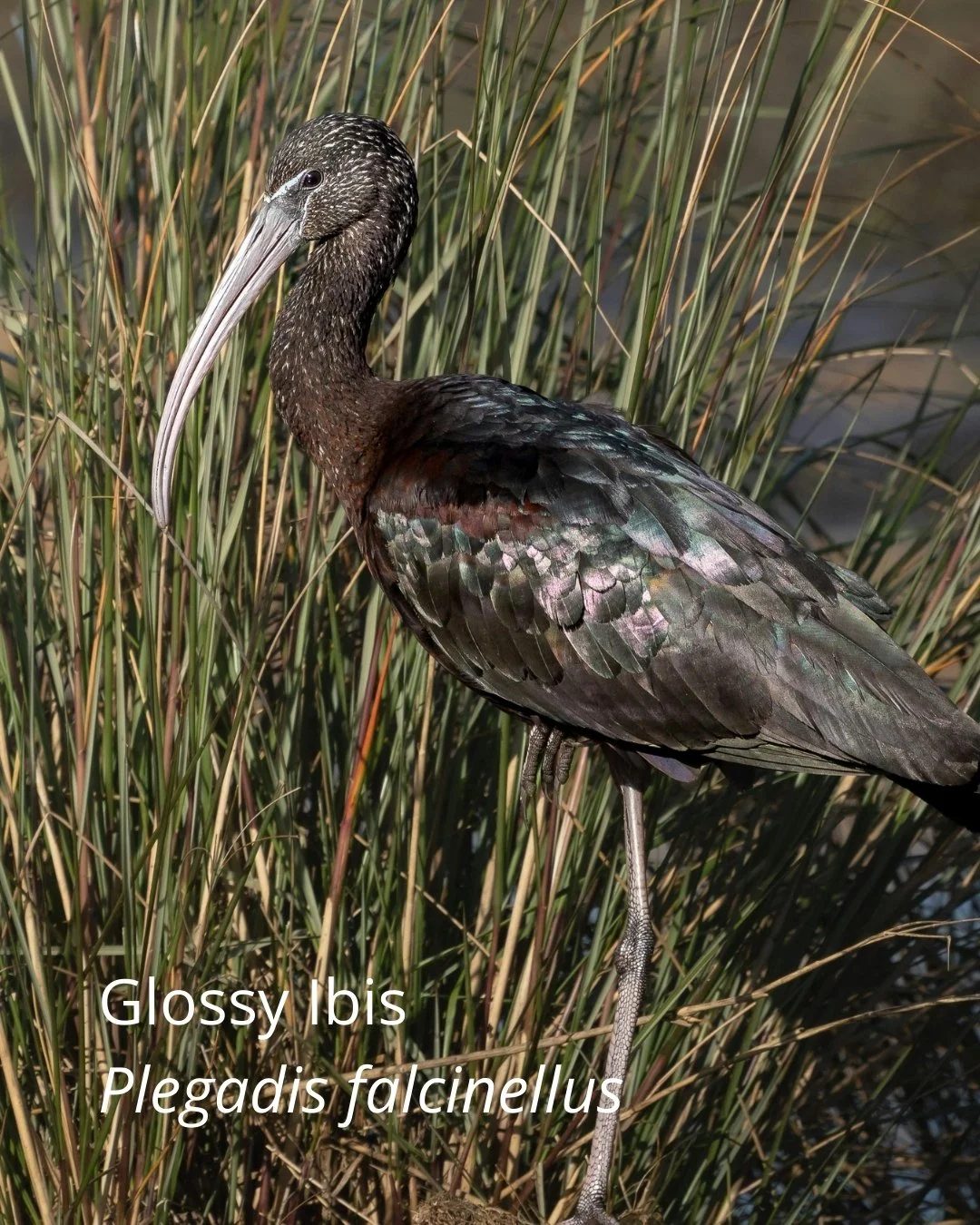
Glossy Ibis Plegadis falcinellus
The smallest species of Ibis on the planet, the Glossy Ibis aren’t often found in suburbia unlike their bin-chicken cousins (please note, that nickname is used affectionately). They are migratory and nomadic, feeding on aquatic insects and frogs in shallow, freshwater habitats.
Features: Often appearing entirely black from a distance, up close they have dark, iridescent reddish-brown plumage with green-sheened wings.
Where to find me: Preferring freshwater swamps and marshes, you’re most likely to find the Glossy Ibis at the Narrandera Wetlands.
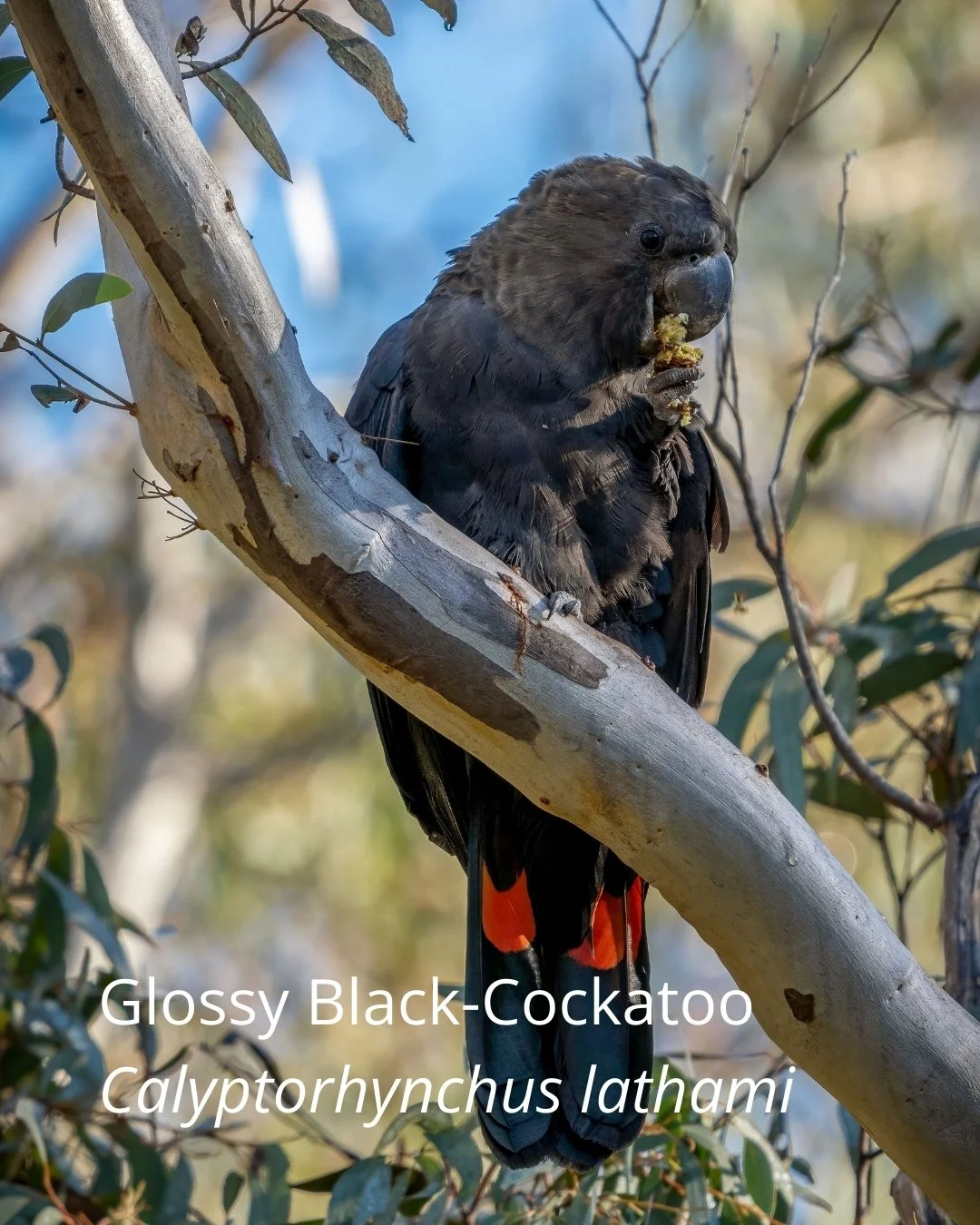
Glossy Black Cockatoo Calyptorhynchus lathami
Glossy Black Cockatoos are dependant on large hollow-bearing eucalypts for nest sites and lay a single egg between March and May. A sign that they may be near by is ‘chewings’ from cones on the ground under sheoak trees.
Features: Males have prominent a red tail panel and females have yellow to orange-red tail panel, usually has irregular pale yellow markings on the head, neck and may have flecks on the underwing.
Where to find me: These birds enjoy open forest and woodlands that have she-oaks trees. These kinds of habitats can be found throughout the Narrandera Ranges with a few sightings at Bundidgerry Hill and Colinroobie on Middle Road.
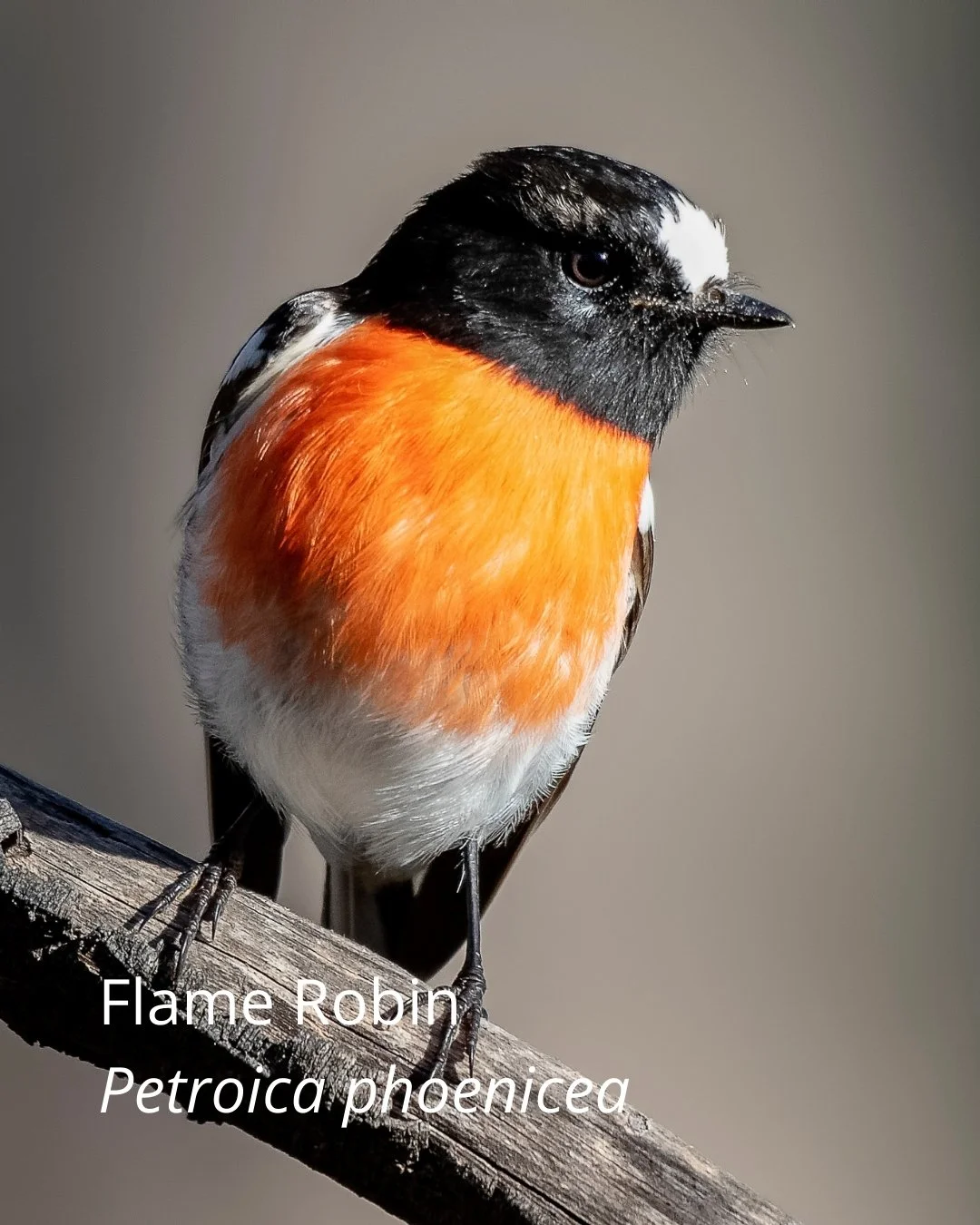
Flame Robin Petroica phoenicea
Currently listed as vulnerable, the species is unique among robins for forming flocks of up to 40 birds during winter. During breeding season, they’re generally seen in pairs or alone.
Features: Males have a bright orange-red throat and breast, dark slate-grey upperparts, a small white forehead spot, and white wing stripes. Females on the other hand are predominantly grey-brown with a pale buff wing stripe and a mostly white outer tail feather.
Where to find me: Along with the Scarlet Robin, Flame Robins are frequenters of the Flora and Fauna Reserve and Gillenbah State Forest.
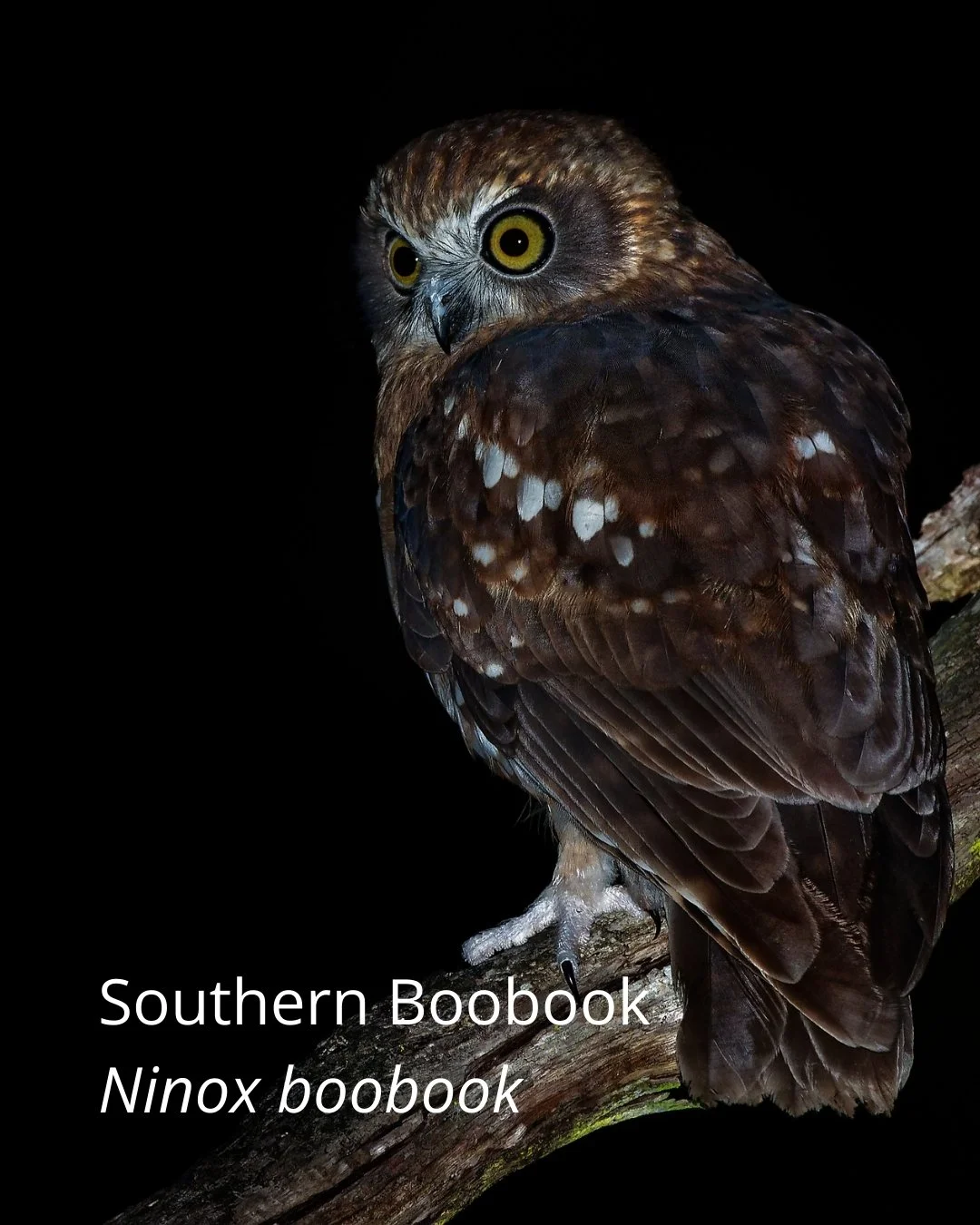
Southern Boobook Ninox boobook
The Boobook may be the most common native owl in Australia but that doesn’t mean we’re not still excited to see one.
Features: Predominantly a dark chocolate-brown with white streaks and spots, they have a large, yellow eyes.
Where to find me: A better question may be where you can’t find them. If you head to the Murrumbidgee Valley National Park in the evening, you’ll likely hear their distinctive two-tone “boo-book” call first. We recently had one join us at the Stargazing Point on top of Bundigerry Hill (corner of Old Wagga Road and Ridgeview Road).
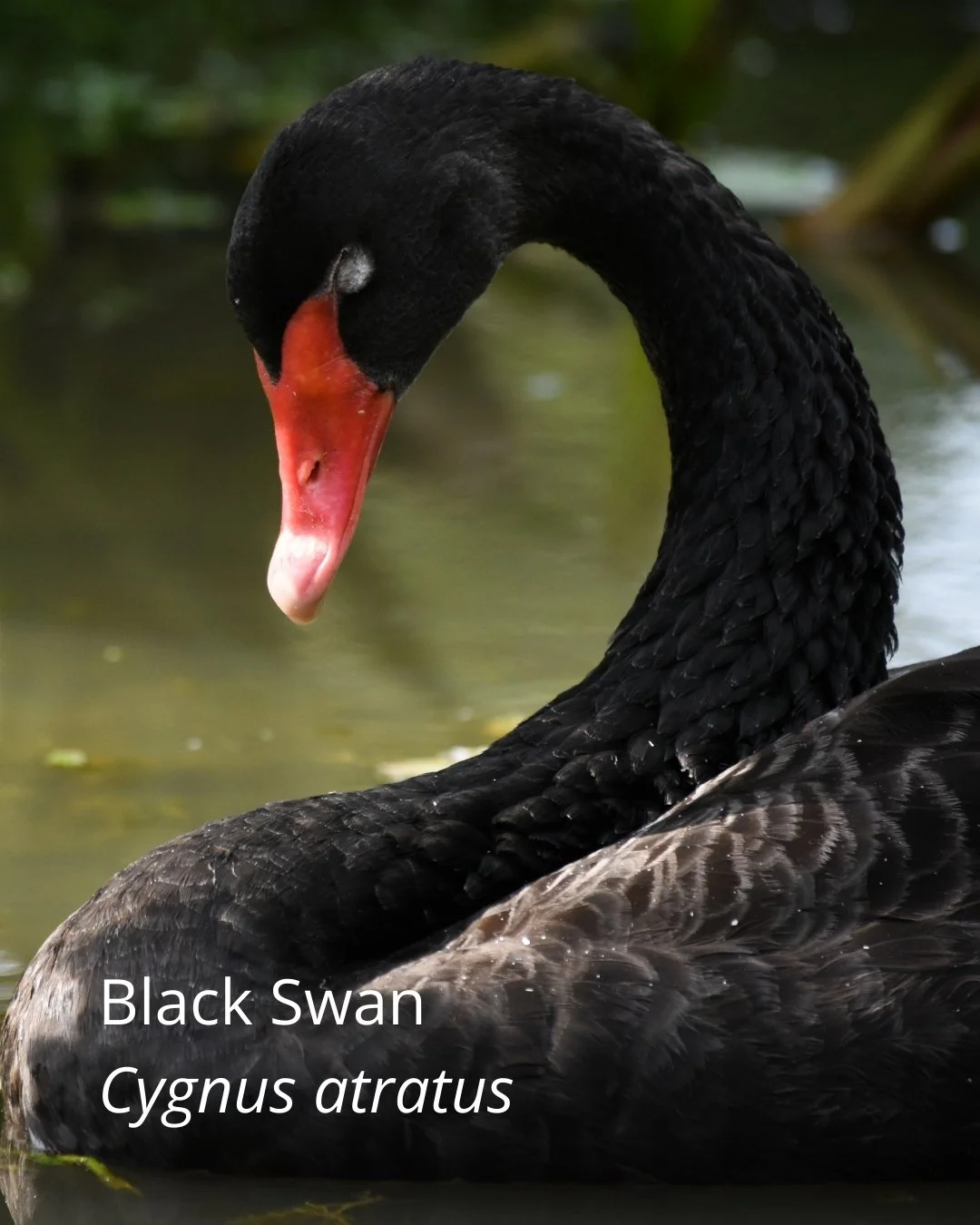
Black Swan Cygnus atratus
An Australian native that typically pairs for life, Black Swans are nomadic and migrate across Australia in response to rainfall or drought.
Features: Mostly black with a red bill. In flight, you can see broad, white wingtips.
Where to find me: They prefer large, permanent waterways so you’ll usually find them on Lake Talbot or down at the Wetlands.
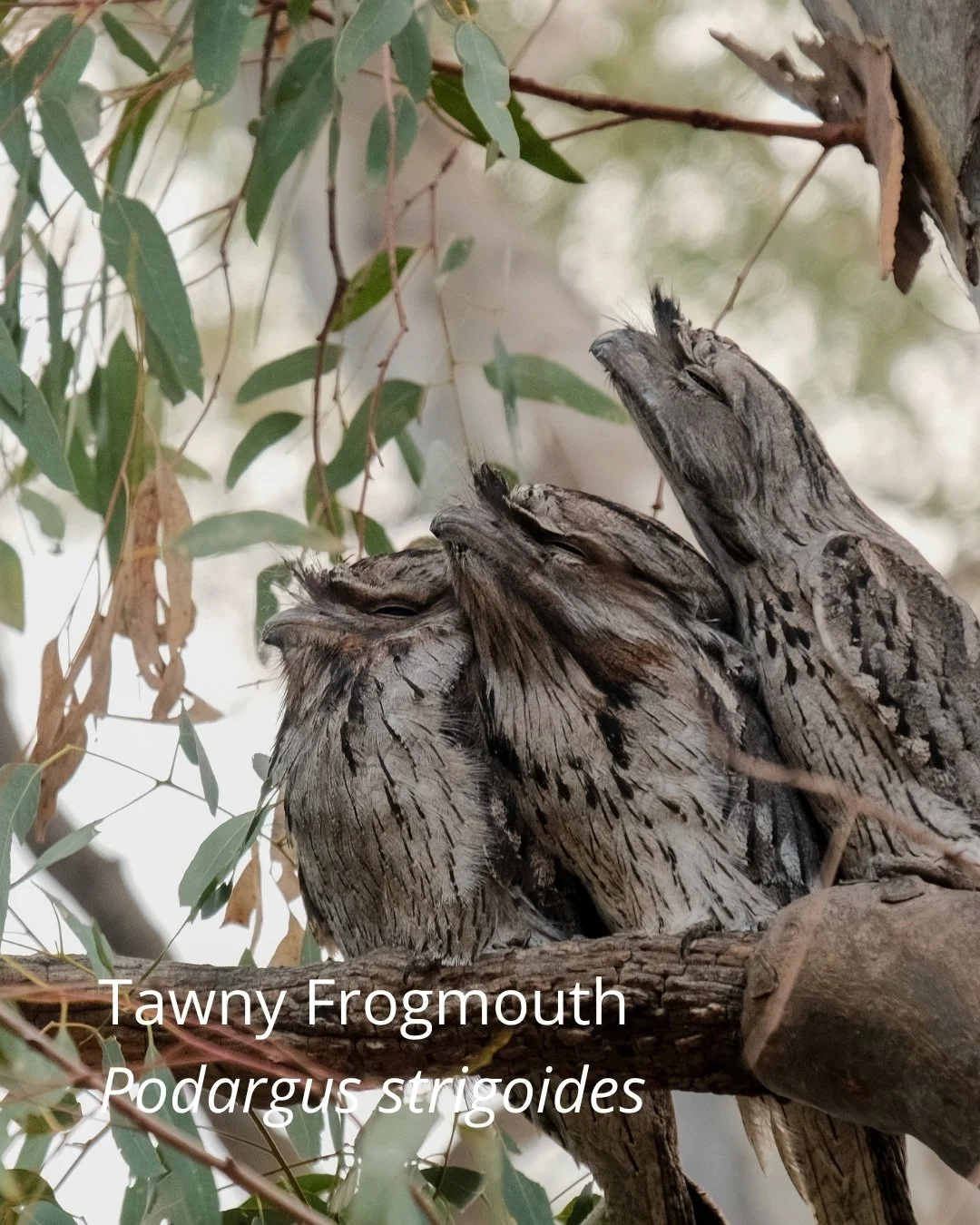
Tawny Frogmouths Podargus strigoides
Masters of camouflage, Tawnies are a nocturnal species that feeds at night and spends the day transforming themselves into an extension of their surroundings.
Features: These not-owls have big, bright yellow eyes and large wide beaks for capturing prey mid-flight in the darkness of night.
Where to find me: Most commonly seen at Koori beach, you can also see them in all the wooded areas surrounding the river, including the Flora and Fauna Reserve and Murrumbidgee Valley National Park.
Helpful Words for Finding Birds
Bring water and stay hydrated.
Whether you can see the sun or not, you can still get burnt so make sure to pack sunscreen and a hat. Admire the Crimson Rosellas, don’t become one.
Empty your SD cards and make sure your camera batteries are charged.
If you’re stopping along the road, pull over to where it’s safe and legal, and stay aware of traffic and your surroundings.
Stick to public spaces, signed walking tracks, parks and reserves and take care not to trespass private property and farmlands.
Of course, the most helpful tip is simply to slow down and look around. Spend a little longer by the riverbank, pause along a walking track, or sit quietly near the water. Whether you arrive with binoculars in hand or simply a curiosity about what’s flying overhead, birdwatching in Narrandera Shire is delightful.
If you’d like a few more local tips before heading out, drop into the Destination and Discovery Hub, where we can point you toward some great birdwatching spots. And if you manage to capture a great bird photo while you’re out exploring, be sure to tag us on socials or send it through — we love seeing what everyone’s spotting around the Shire.