
The Riverina After Rain: Your Guide to the Frogs of South-West NSW
There’s a specific soundtrack that arrives after rain in the Riverina. Suddenly, every creek line, flooded paddock, roadside drain or suspiciously large puddle sounds like it’s hosting an amphibian music festival. Their calls signal the return of water to the wetlands and floodplains, while their presence help us understand the health of local ecosystems. Where frogs thrive, biodiversity follows.
For the true frog-aficionado, we highly recommend The Frogs of South-West New South Wales: A glovebox guide to identification, ecology and conservation.
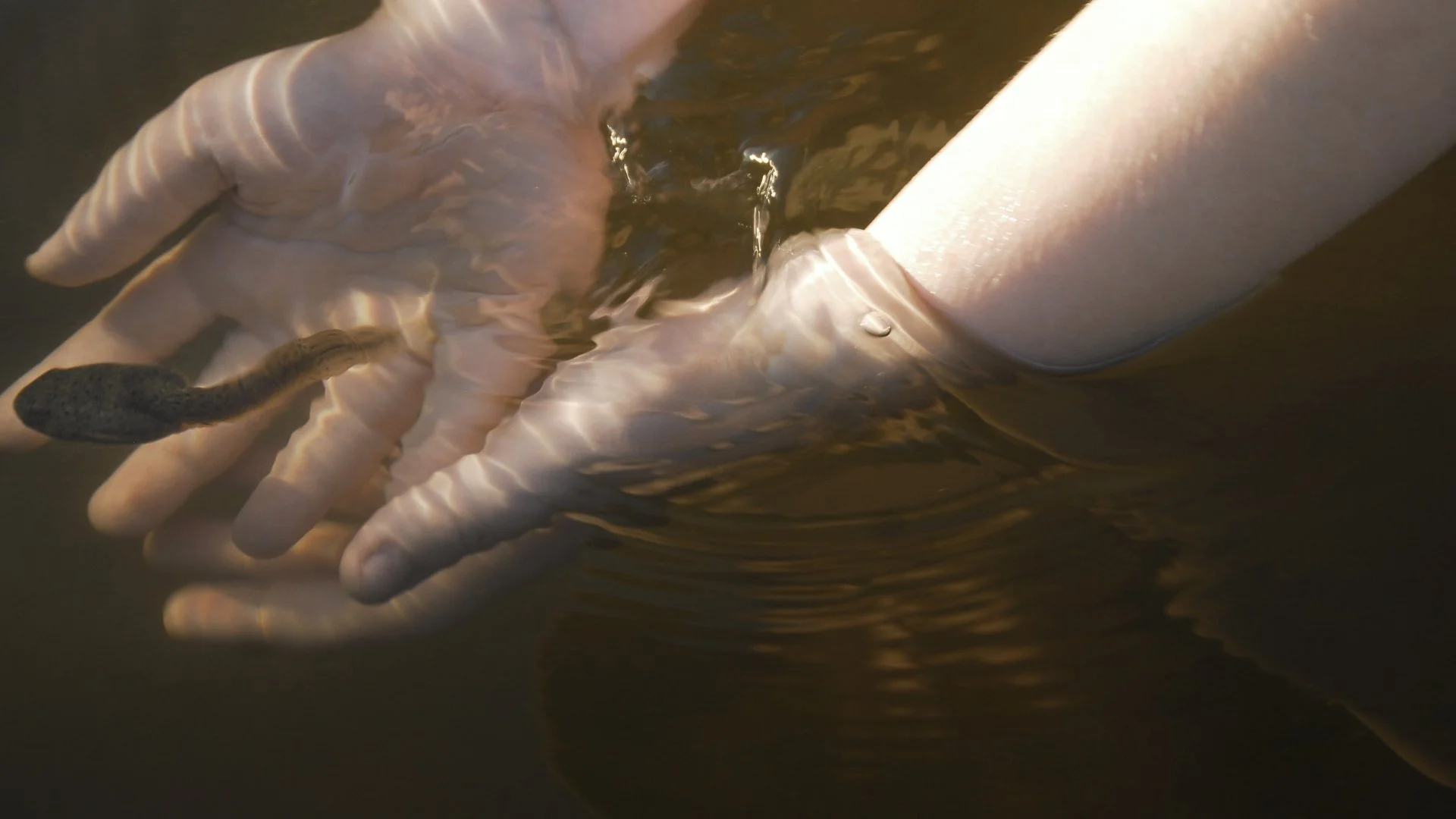
Where to Find Frogs Around Narrandera
Australia is home to more than 250 frog species, though many are facing increasing pressure from habitat loss, climate change, pollution and disease. Around Narrandera, Barellan, and Grong Grong there are a handful of places where frogs continue to thrive. While spring is typically peak breeding season for frogs, many species, such as the Spotted Marsh Frog, breed during spring, autumn, and also in winter after heavy rain.
The Narrandera Wetlands play an important role in filtering the town’s stormwater before it flows back into the river system and host a variety of birds, frogs, reptiles, insects, and mammals. This man-made wetland provides everything frogs need: shallow water, dense vegetation, insects and shelter. Most Australian frogs are strictly nocturnal, so the best time to arrive is around dusk to enjoy calls echoing across the reeds as the evening cool settles in.
Rocky Waterholes’ combination of lightly flowing water from Bundidgerry Creek into the Canal, a well-established riparian zone, and overhanging vegetation creates ideal habitat for frogs, particularly in the warmer months when the water levels are high. As daylight fades, the area transforms into a layered chorus of call bouncing across the water. If you’re lucky enough to hear loud grunting roars, don’t be alarmed — you’ve likely stumbled across one of Narrandera’s much-loved koalas. Following Bundidgerry Creek out to Five Mile Reserve, creek banks and surrounding low-lying areas become important habitat, particularly after sustained rain.
Bundidgerry Hill is the hillside behind Rocky Waterholes. After heavy rainfall, water collects in shallow depressions, creating short-lived but surprisingly active frog habitat. These temporary pools are particularly valuable for frogs because they lack fish predators, creating safer breeding sites for tadpoles. What pay look like an ordinary rain-filled depression may, for a few weeks, become a thriving nursery for amphibian life.
Frog Identification
From the endangered Sloane’s Froglet to the iconic Green Tree Frog or unmistakable Pobblebonk, one of the easiest ways to start identifying frogs is by simply listening. Each species has its own distinct call, particularly during breeding periods when males call to attract mates after dusk. For those of us perhaps less versed in the calls of individual frog species, apps like FrogID are an invaluable resource. Users are able to record frog calls and upload them directly to scientists helping monitor frog populations across Australia. The app identifies species based on their calls and contributes valuable data to national conservation research.
In the Riverina, rain changes the landscape almost overnight. It’s one of the most overlooked experiences of the region: standing beside a creek, wetland, or puddle after dark while hundreds of tiny voices echo around you. It’s muddy, loud, fleeting, and completely unforgettable.