
The Tiger Moth Memorial: Narrandera’s Aviation History
The story of the Tiger Moth Memorial is best told by those who care for it. This article has been contributed by the curators of the Tiger Moth memorial, Ken and Gayle Murphy, who have played a key role in researching, preserving, and sharing the story behind the memorial. Their work ensures the history of the Tiger Moth and those connected to it continues to be remembered and understood.

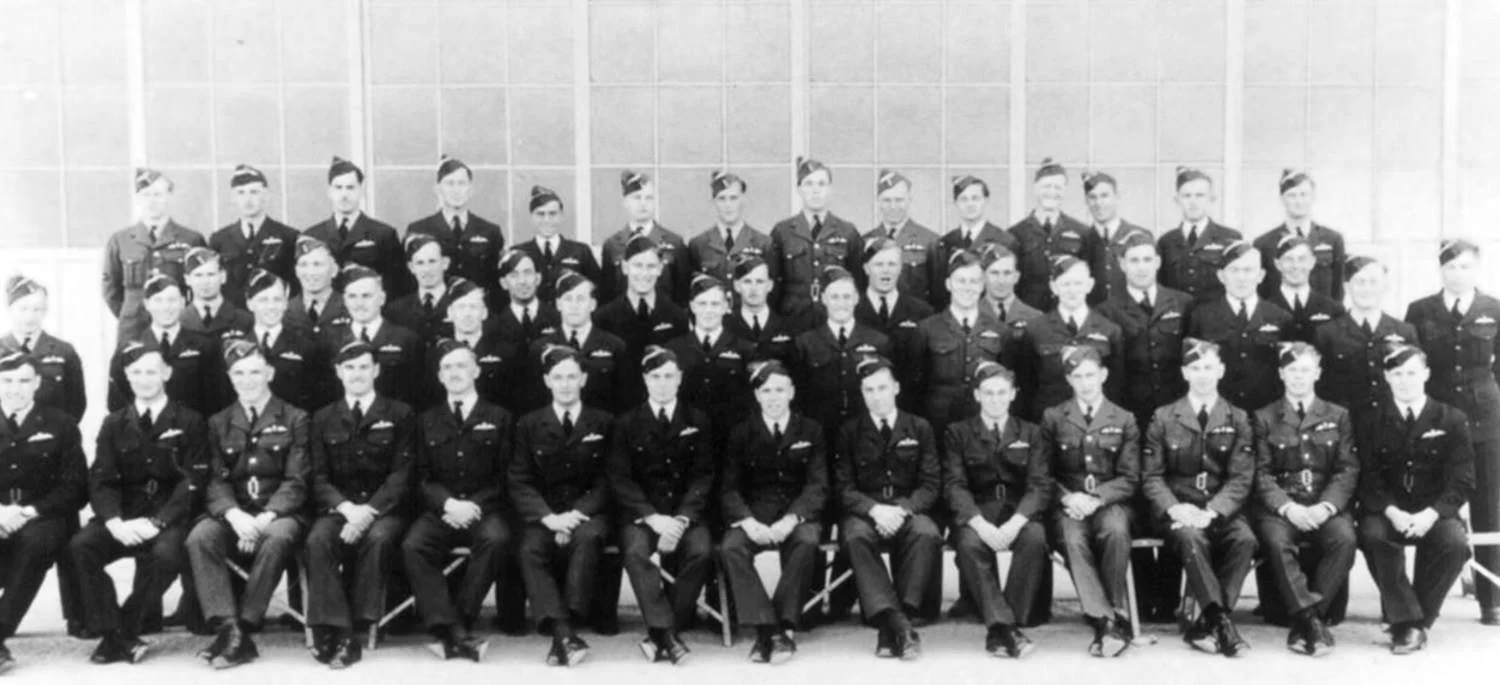
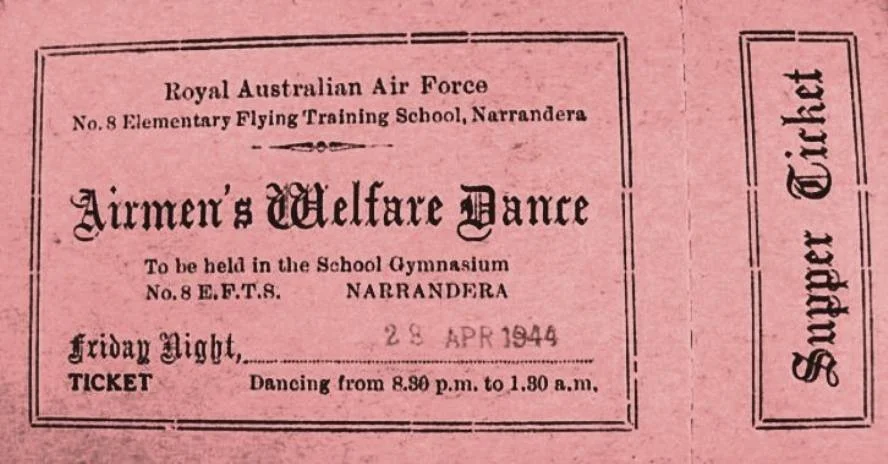
In 1940 Narrandera took on an important role in preparation for World War II and was home to the No. 8 Elementary Flying Training School (EFTS) where men were trained to be pilots. The School was established at the present Narrandera Leeton Airport site. It was self-contained with accommodation huts, a hospital, swimming pool and gymnasium. Before it closed in 1945 it had trained 3,818 pilots using Tiger Moth Aircraft.
The number of aircraft at the base varied but up to 70 were needed as the demand for pilots grew. In December 1940 a cyclone hit the airfield destroying 22 tiger moth aircraft and damaging many others.
During the operation of the base the local towns people provided social and extended support to many of the trainees. Dances, picnics by the Murrumbidgee River as well as amateur plays were all part of the life of the trainees.
Leading up to the Australian Bi-centennial Year the decision was made to construct a memorial to the men and women who were part of the training program. A tiger moth was purchased with RAAF at Wagga Wagga agreeing to restore the aircraft. The men and women who trained at the base and their families willingly donated memorabilia and photographs to the memorial.
The significance of the air training school was recognised with the opening of the Number 8 EFTS Tiger Moth memorial by Retired Air Chief Mashall Sir Neville McNamara on 2nd October 1988.


The Tiger Moth Memorial is situated near the Narrandera Destination and Discovery Hub, with comments in the Visitor’s Book showing how popular it is with visitors from all over Australia as well as from overseas. Visits to the memorial give people a opportunity to learn more about Australia’s war history, remember love ones who were involved in WW11 or family members who had a connection to tiger moths or flying. For children it is the chance to get up close and personal to an airplane that launched Australian aviation history.
Many visitors just want to say thank you and offer congratulations on a wonderful informative display.
Authored by Ken and Gayle Murphy.